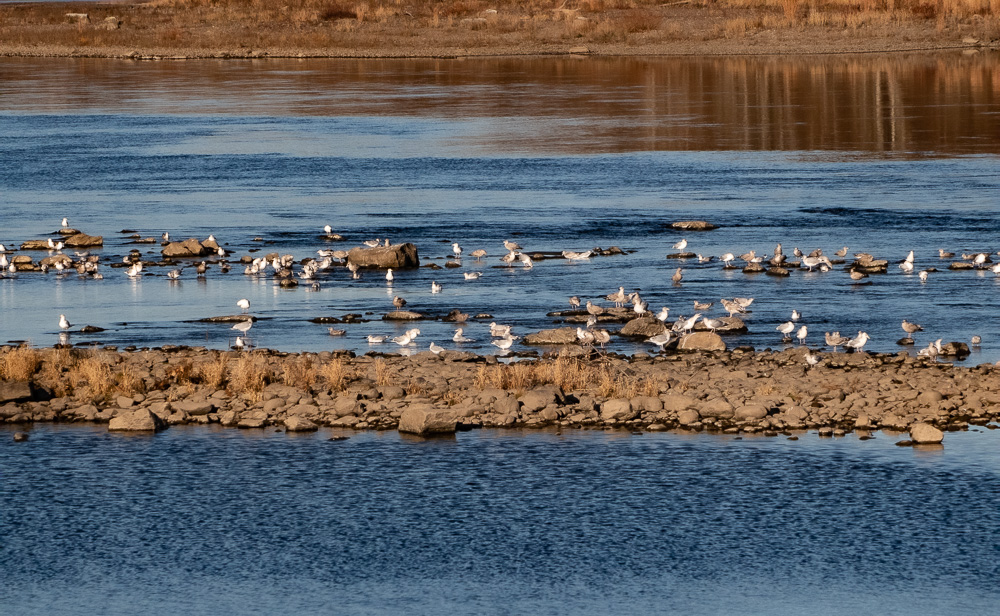
A typical late fall site on the Kennebec River in Augusta, Maine. The gulls congregate here where the tidal affects from the Gulf Of Maine terminate and water levels are more stable.
Lunch on the Kennebec
A typical late fall site on the Kennebec River in Augusta, Maine. The gulls congregate here where the tidal affects from the Gulf Of Maine terminate and water levels are more stable.
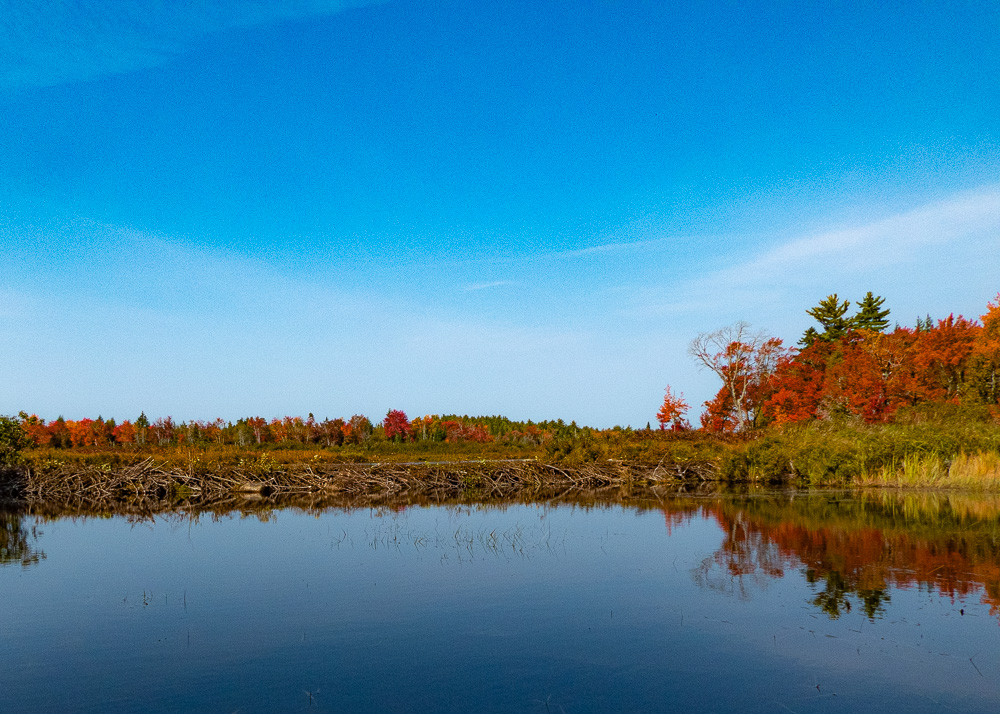
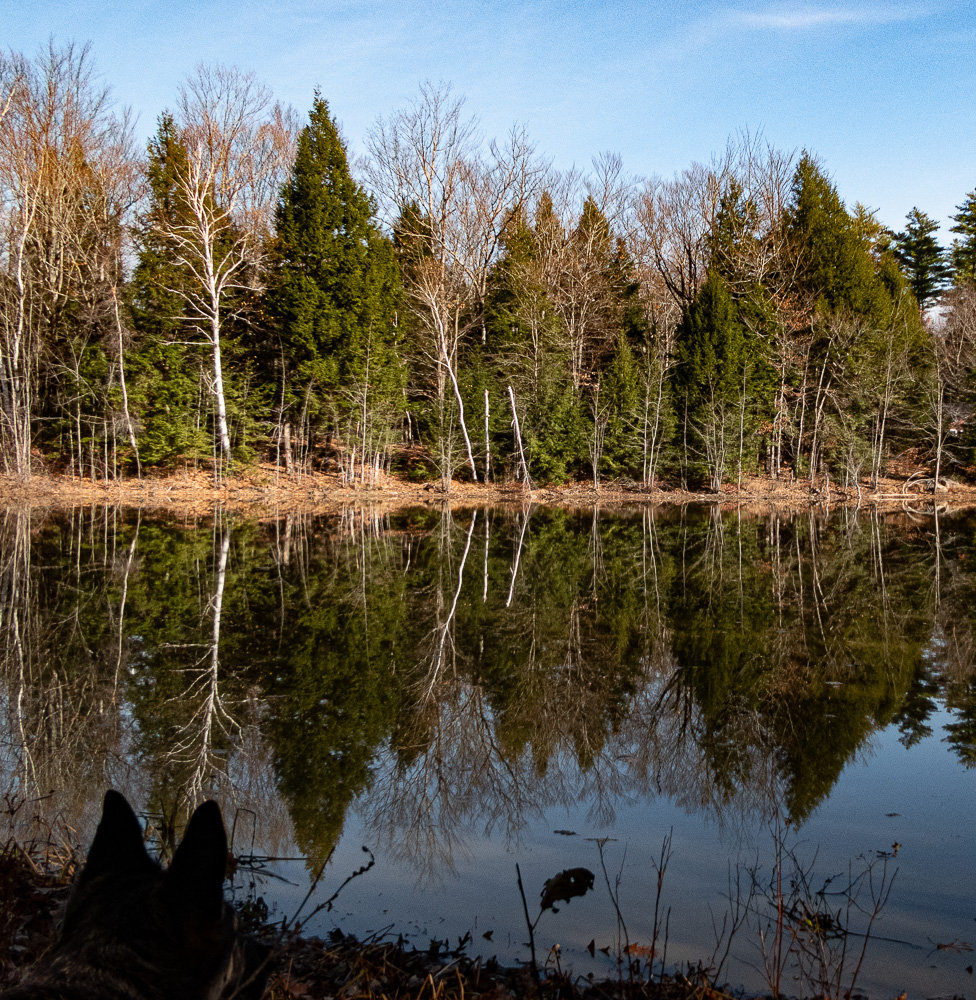
The pace of life proceeds in the back woods. Despite an unusually dry summer, the no-name pond managed to retain water levels that were not unusual.
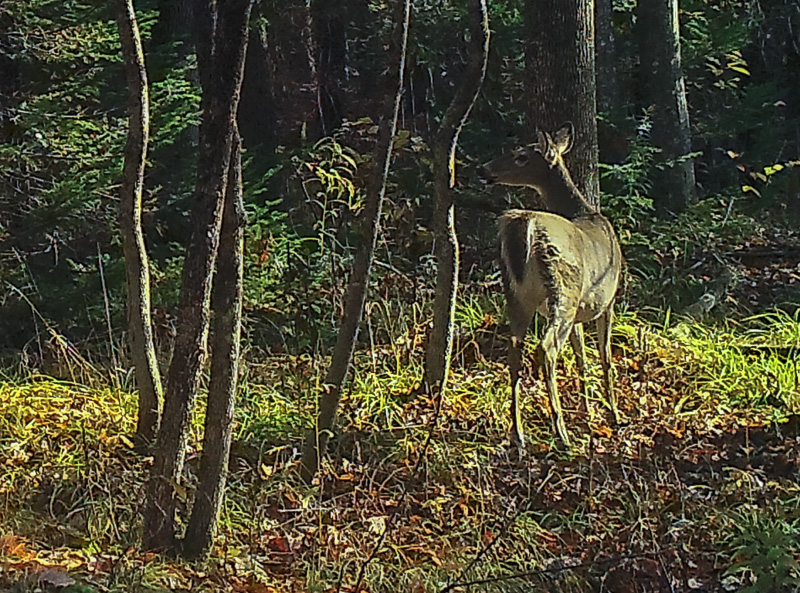
During a recent autumn afternoon, a young deer wandered through the back woods.
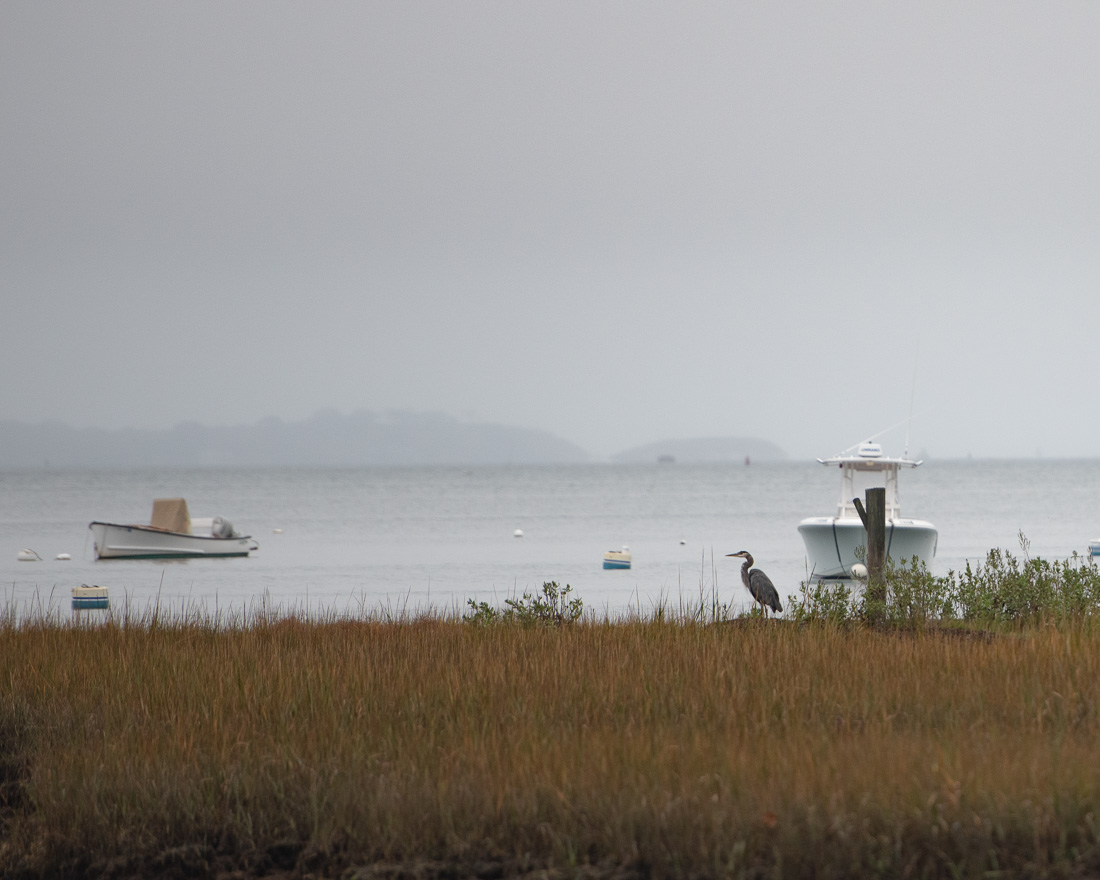
On a quiet day along Fishers Island sound last month, a heron contemplates the day.
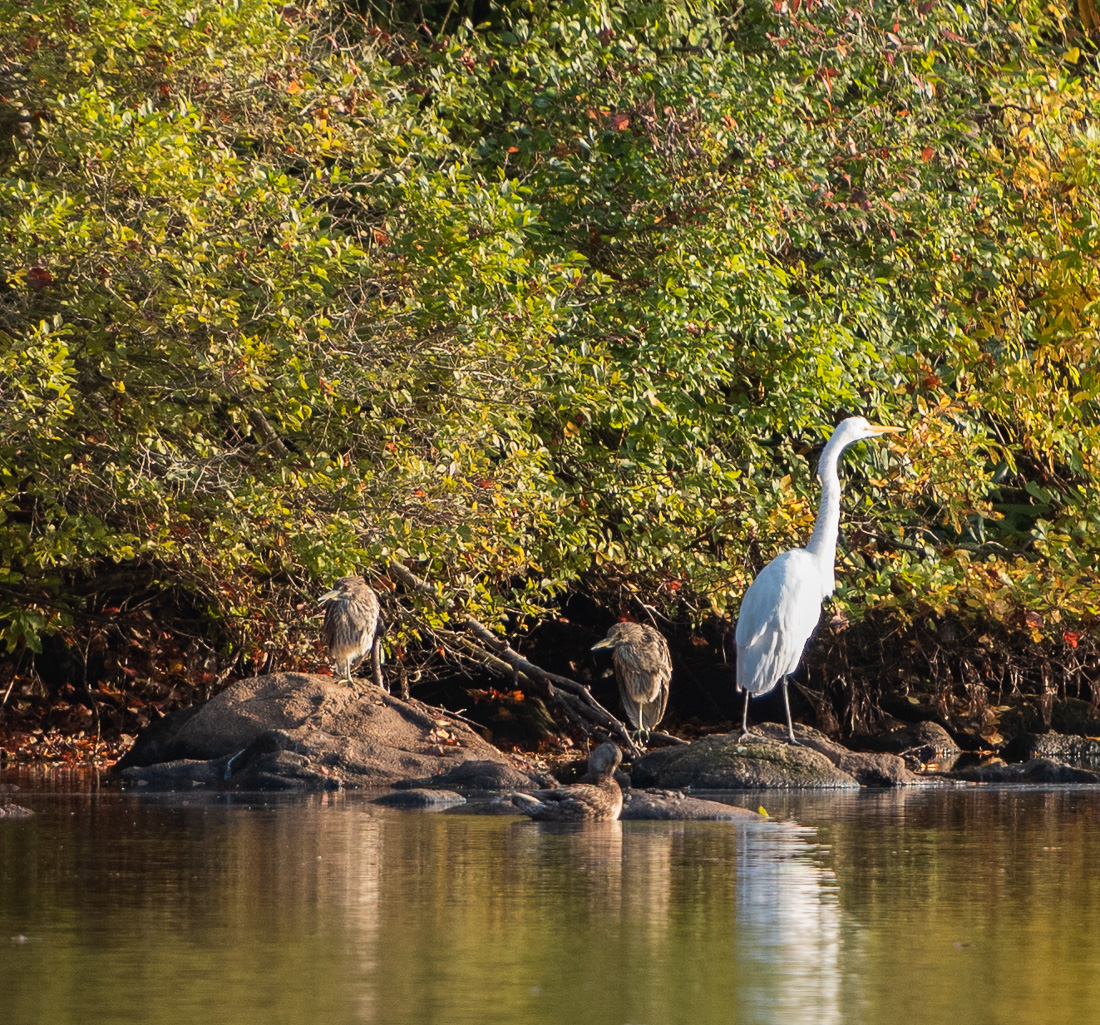
During our recent visit to the Ice Pond, a number of different birds were lounging around the middle of the pond. Of note were several juvenile night herons among the more usual egrets and mallards.
From the edge of Poggy Bay, a great blue heron paused before flying away.
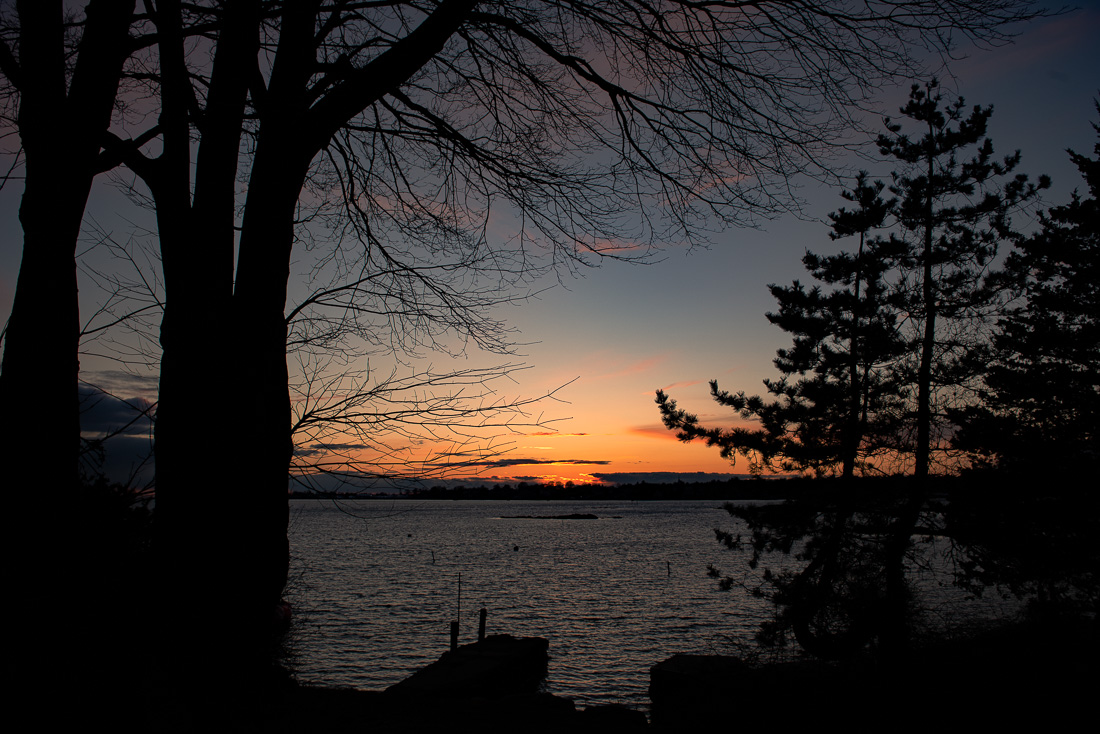
The Noank, Connecticut, shoreline near dusk in late October.
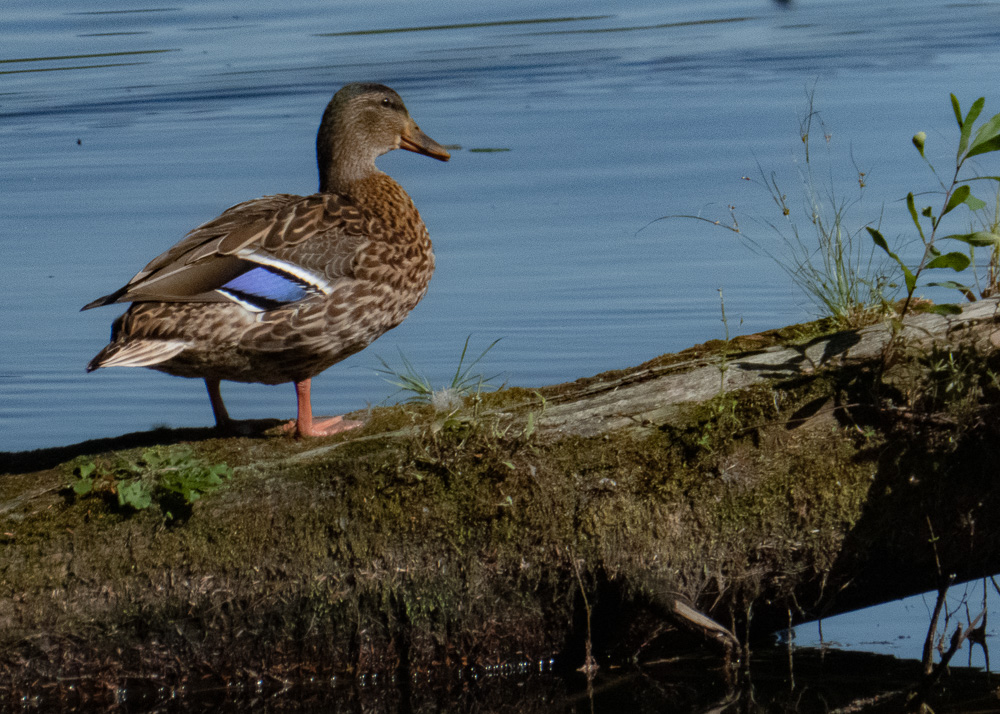
While walking by the Ice Pond the other day, the only visitors were a pair of mallards. The Canada geese were at another venue, the egrets were a no-show, the black-crowned herons were lurking somewhere else, and the seagulls were socially distancing.
During a brief visit to the Ice Pond in southeastern Connecticut this week, we were lucky enough to be waiting for something to happen when a pair of egrets decided to visit the lakeside.
The “blockhouse” on the southwest corner of Fort Western, overlooking the Kennebec River in Augusta, Maine. The fort dates from 1754 and was originally a British outpost in the mostly wilderness areas northeast of Boston.