A pair of mallards tuck chin to chest to manage the cold water and windy day on the Ice Pond in January
No-neck mallards
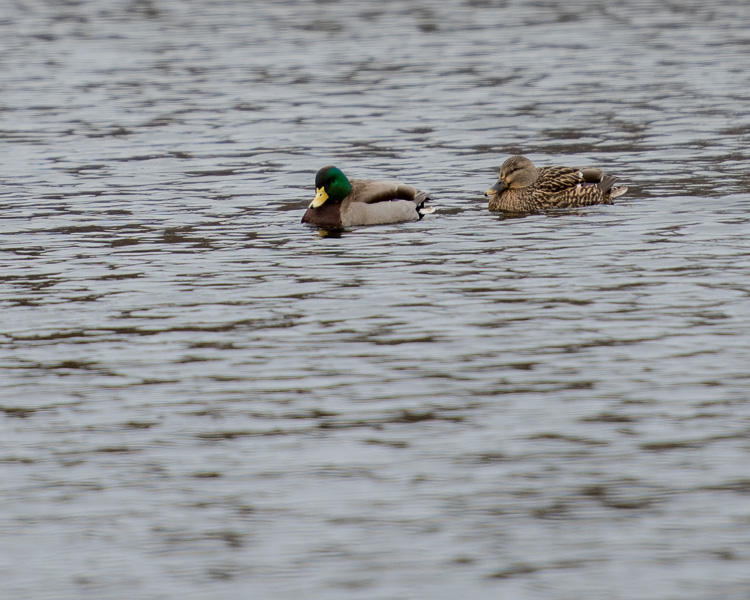
A pair of mallards tuck chin to chest to manage the cold water and windy day on the Ice Pond in January
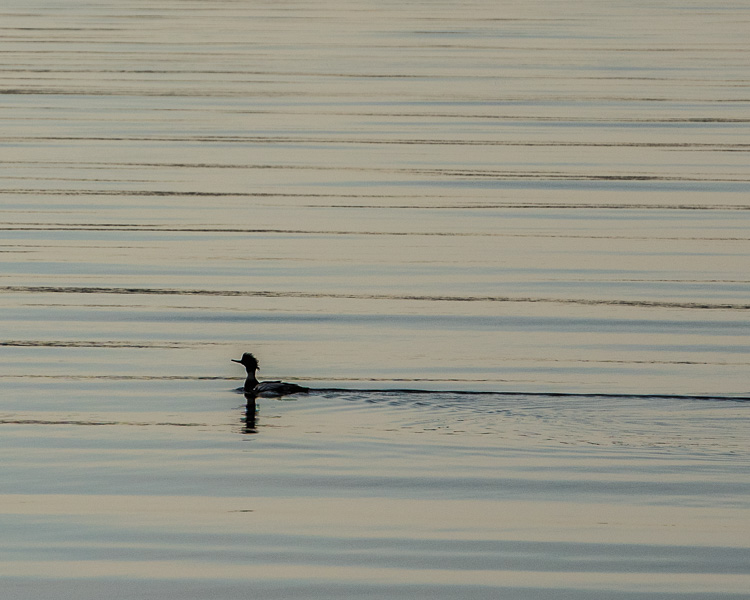
Around the new year, a lone merganser slowly cruised along the Connecticut shore
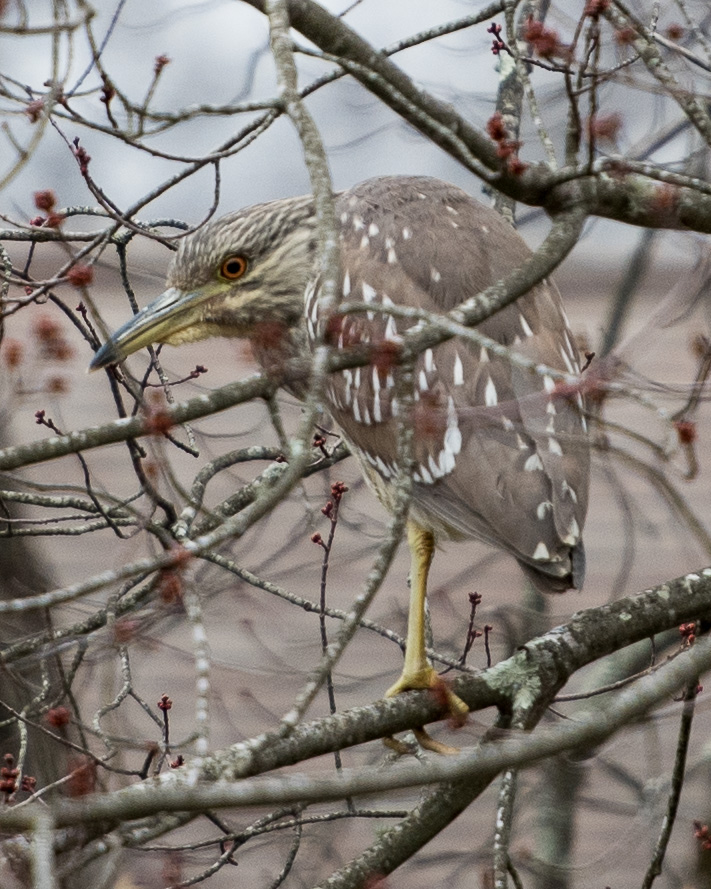
March 2017: Southern Connecticut
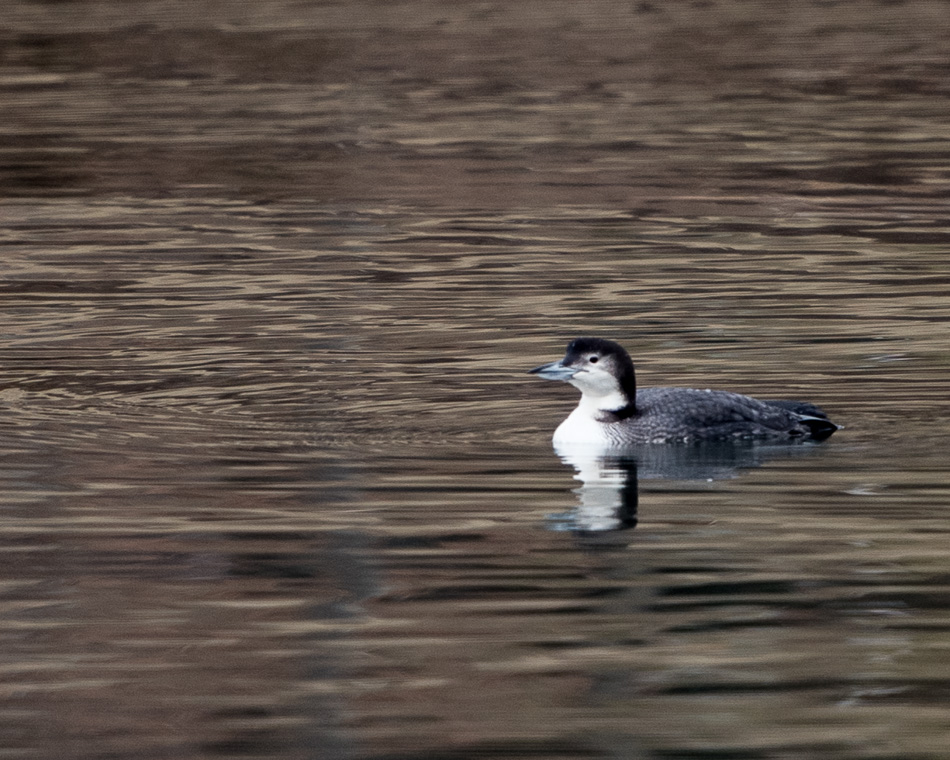
A common loon looks less exciting in the winter and is found in coastal ocean shorelines and bays instead of inland lakes during summer time.
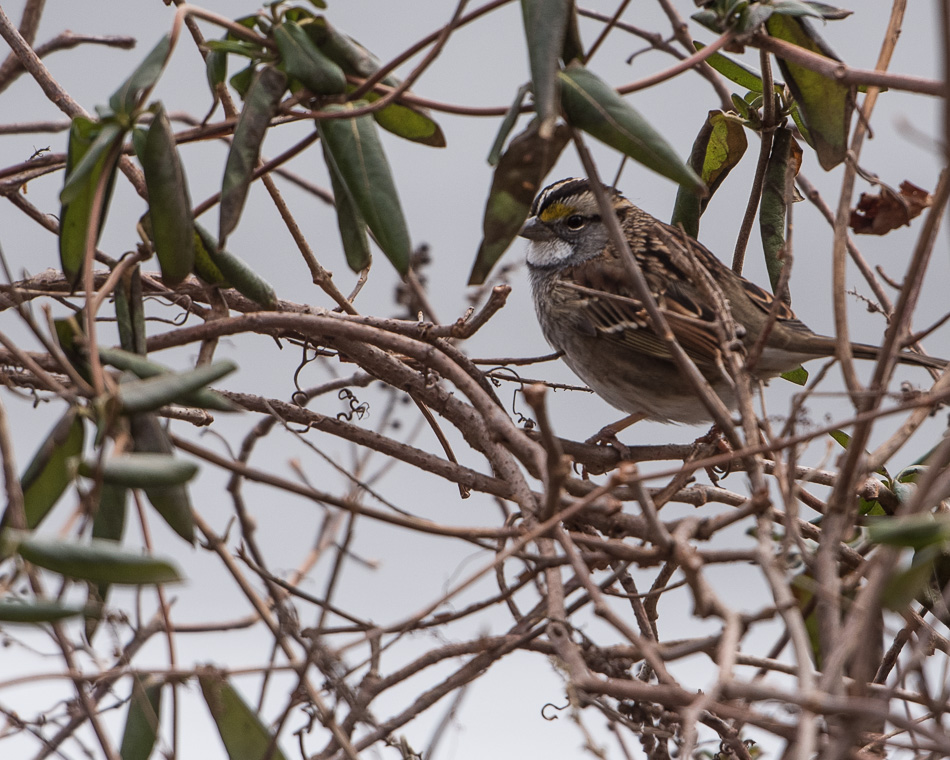
Another white-throated sparrow, this one showing their distinctive throat coloring. The dab of yellow at the “ten o’clock” position around the eye is also an identifying attribute.
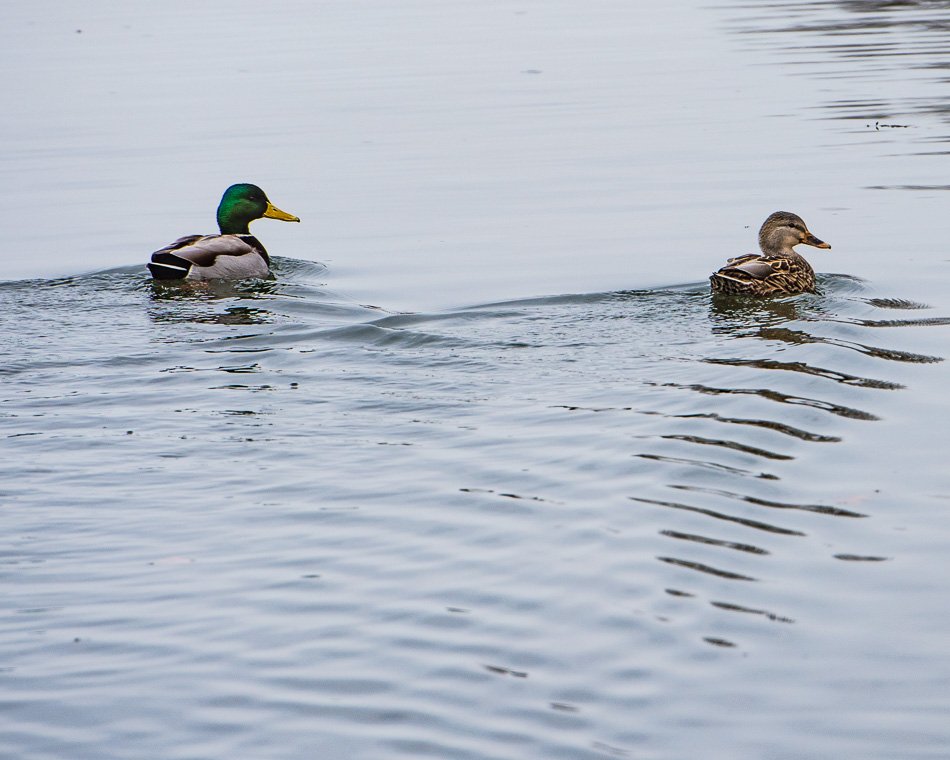
A pair of mallards cruised along the outskirts of Poggy Bay on the Connecticut coast last weekend. While the temperatures were moderate during our visit, this winter has seen steady below freezing temperatures that have allowed ice to form along the rocky coastline – since this is salt water, this means it has been really cold!

Along the Connecticut coast this winter, we found the usual collection of energetic sparrows. I know a group that is sustained by the regular feeding from my brother. This one has the attributes of the white-throated edition.
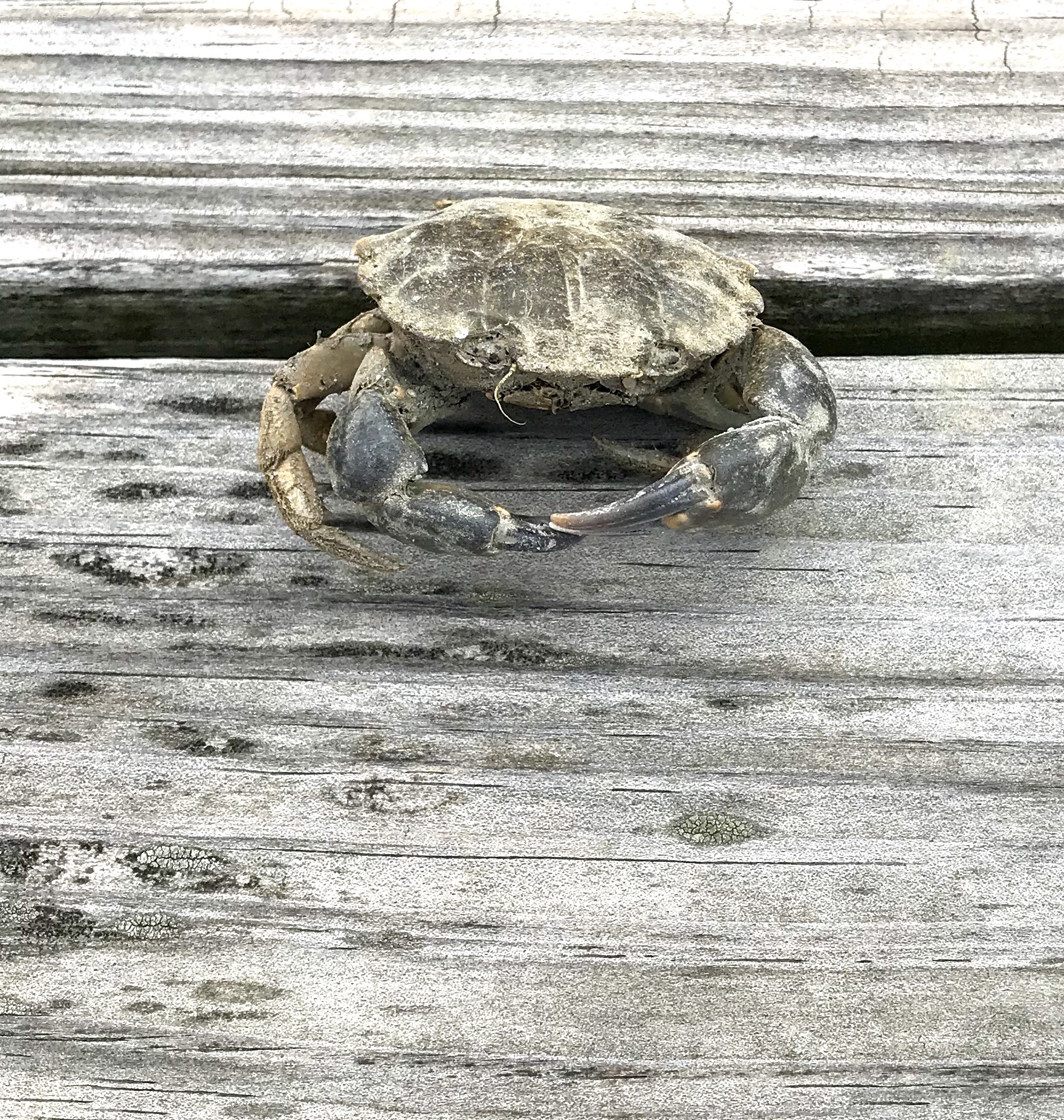
A remnant of a curious creature not more than an inch-and-a-half wide appeared on the dock this weekend. A small crab that was deceased (or perhaps frozen)? How did it get here? The decking is three to seven feet above the water’s surface, depending on the tide. It was thirty feet from the shoreline access to the dock.

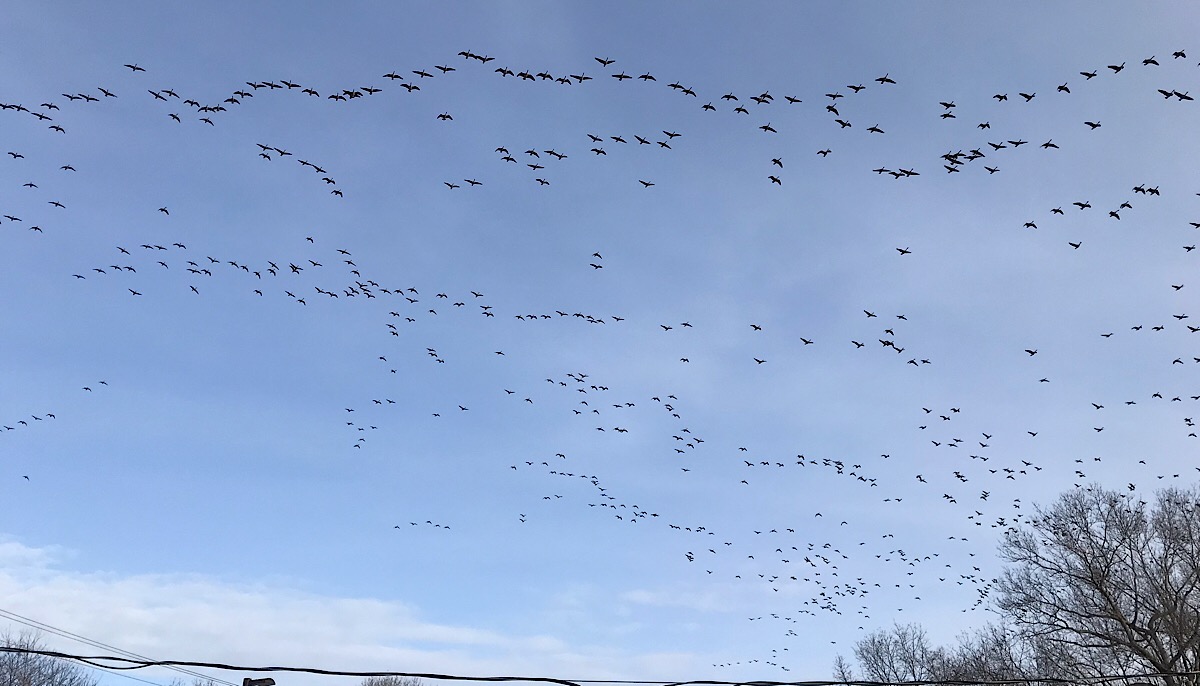
The overflight of canada geese from the last few days of 2018 in southern Connecticut deserves another look…..
 john's f-stop