While we were along the mid-Maine coast in July, we found this summer tanager visiting near our bird feeders.
Back to summer
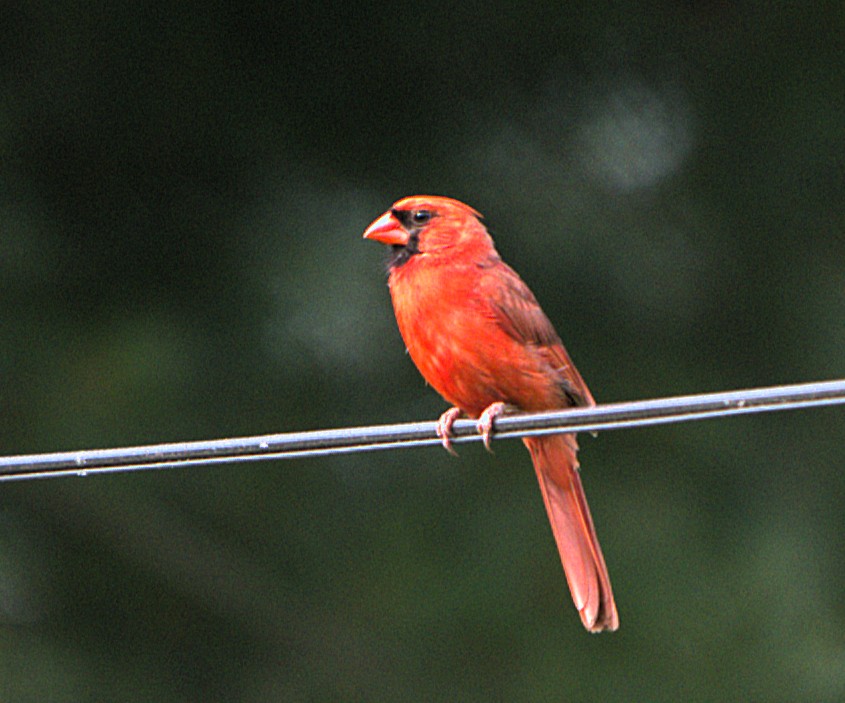
While we were along the mid-Maine coast in July, we found this summer tanager visiting near our bird feeders.
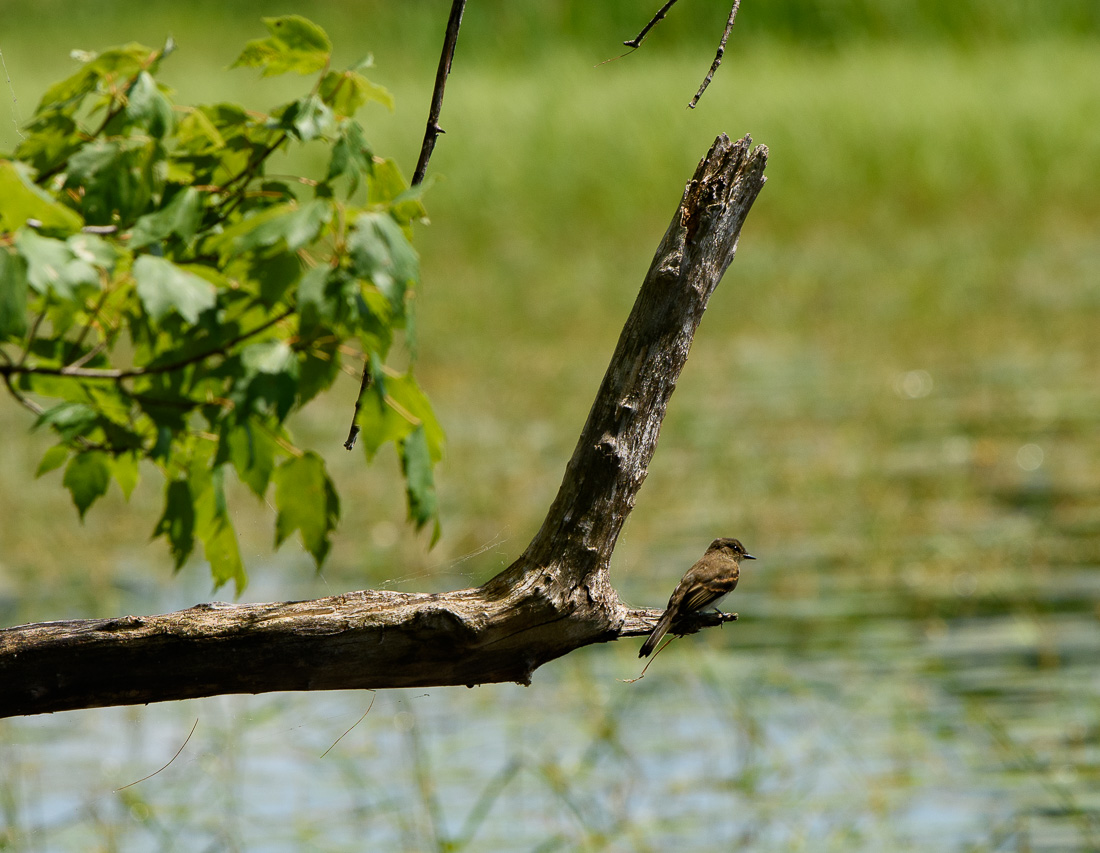
We made it through summer with little on-line activity. This sort of matched our rainfall, in August we recorded 0.45 inches. We got 2 to 3 inches in each of June and July, so it has not been a total dry spell. I think the combination of lots of rain in the Spring, resulting in tremendous foliage growth in the trees and across the forest floor, triggered unusually high water absorption. High demand, low supply equals empty brooks and ponds that look like puddles.
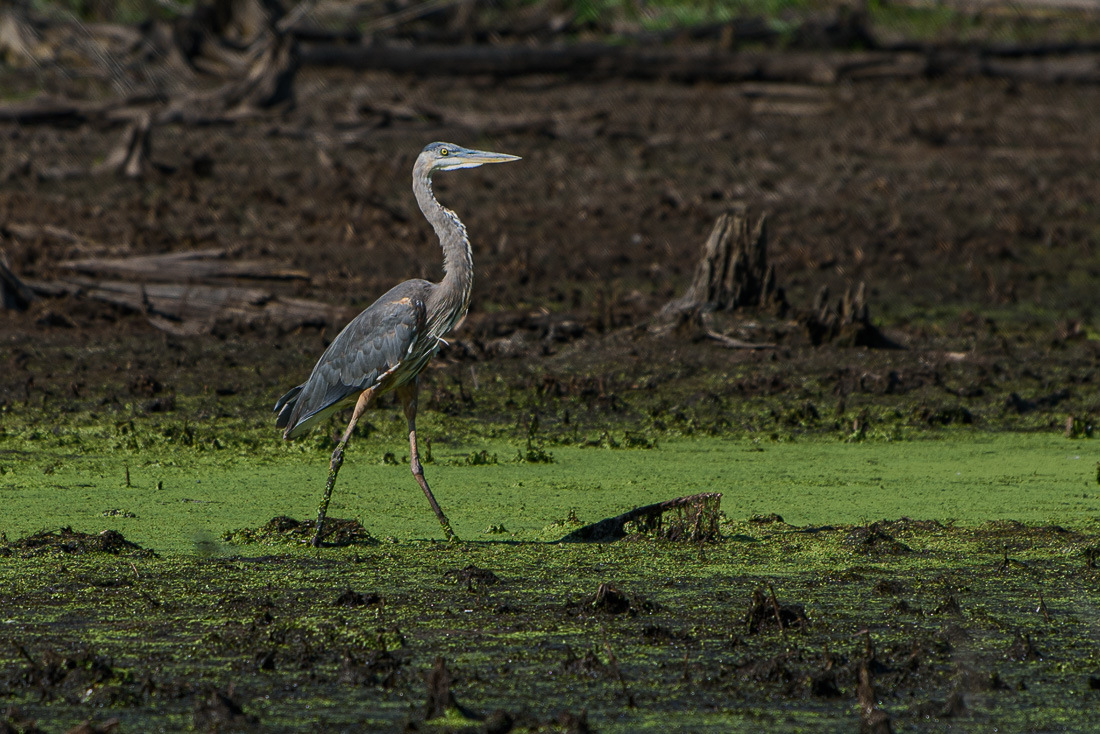
Several weeks ago we spotted this heron on the dried out beaver bog pond. Maine has had a dramatically rain-less summer and we have never seen the bog pond this dry since the beavers dammed the stream many years ago.


During our Memorial weekend visit to the north of Maine last week, we had to wait until Monday for the sun to arrive. We then found our friend’s bird feeders surrounded by blue jays.
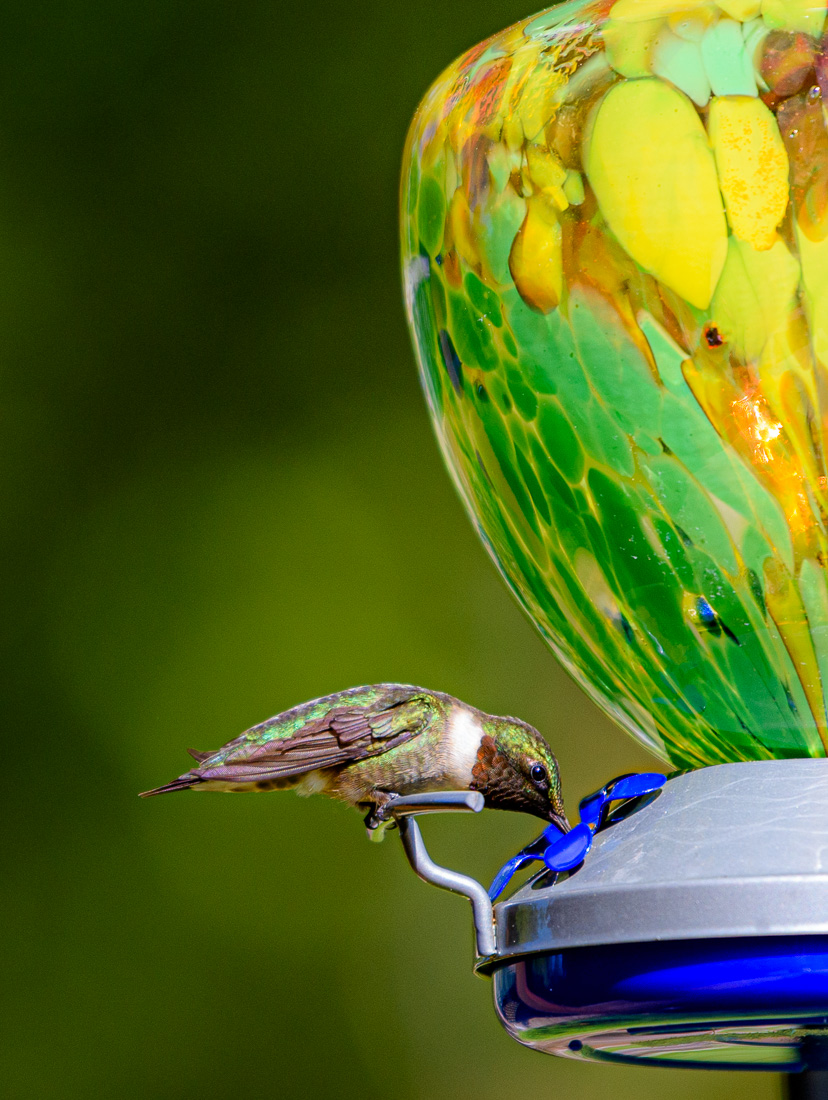
Another northern Maine visitor last week
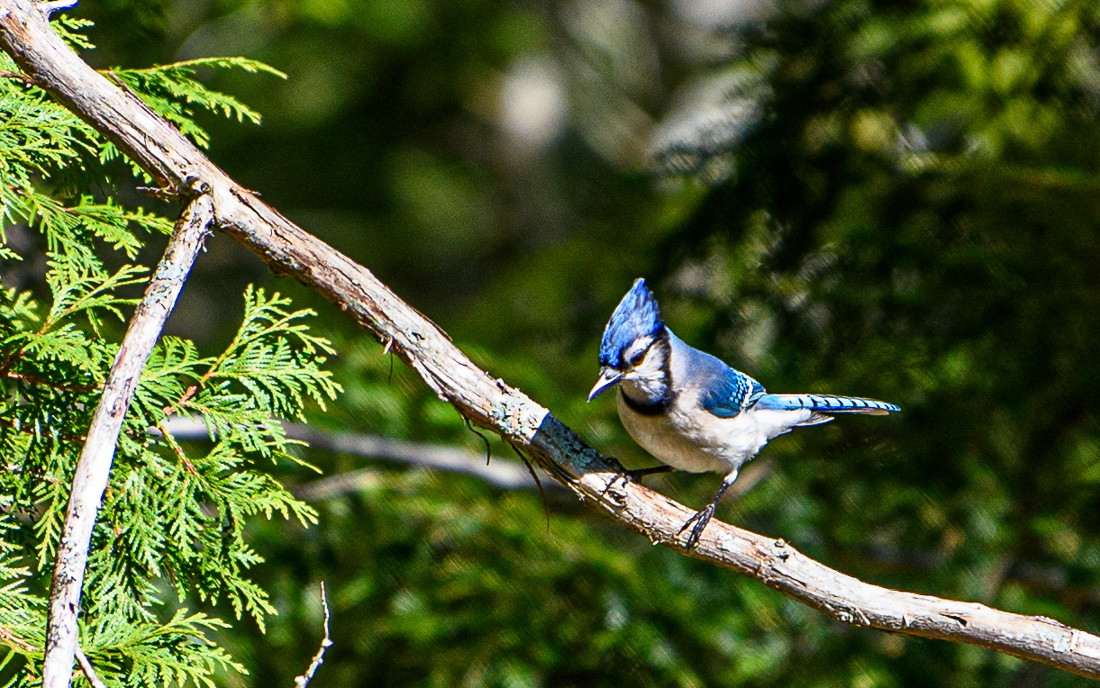
From last week in the north of Maine
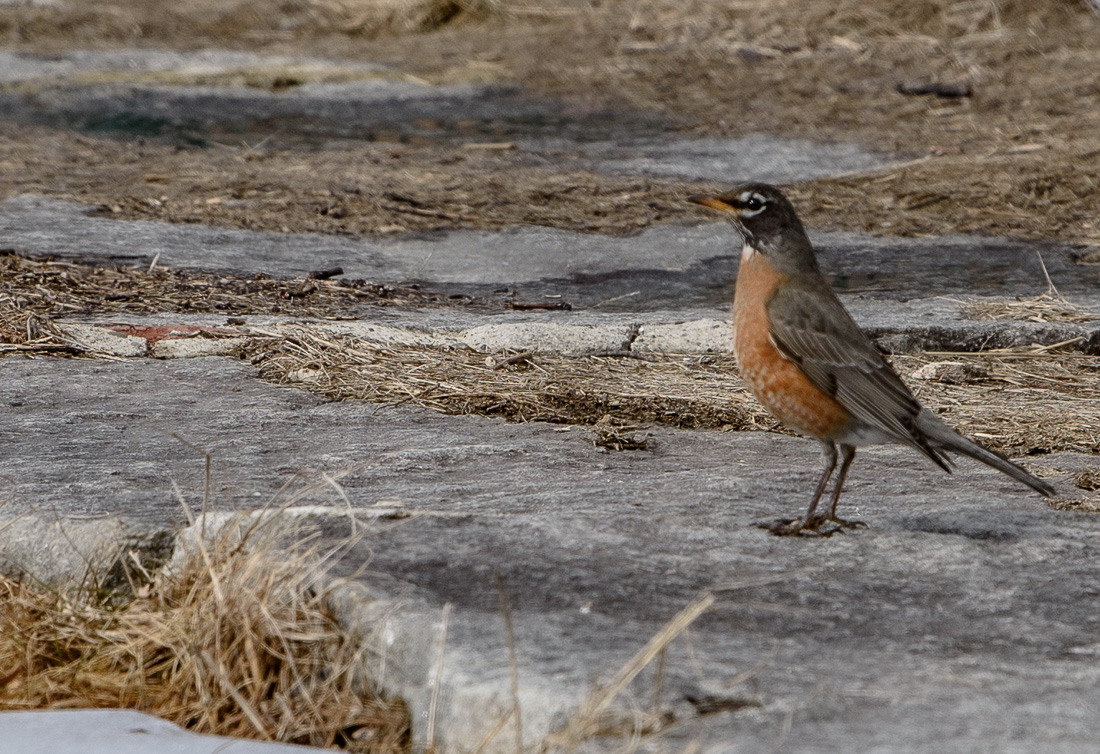
I have read that robins actually don’t move south in winter sometimes. My recent experience has noted seeing fewer robins around our yard at any time of year. This one was near the Kennebec river in Augusta, Maine, last week or so.

A couple of weeks ago, while walking along the Kennebec river in Augusta (Maine), I noted the beginning breakup of the winter ice. As usual, any spot on land or sea where liquid water collects during March in Maine, you will find big and little birds. Gulls, ducks, geese, loons, and, if you are extremely lucky, an eagle.
 john's f-stop