As Spring is now here, we have had a chance to visit the Connecticut coast this week. The osprey nest is now being checked out for use this year.
Osprey coming in to land

As Spring is now here, we have had a chance to visit the Connecticut coast this week. The osprey nest is now being checked out for use this year.
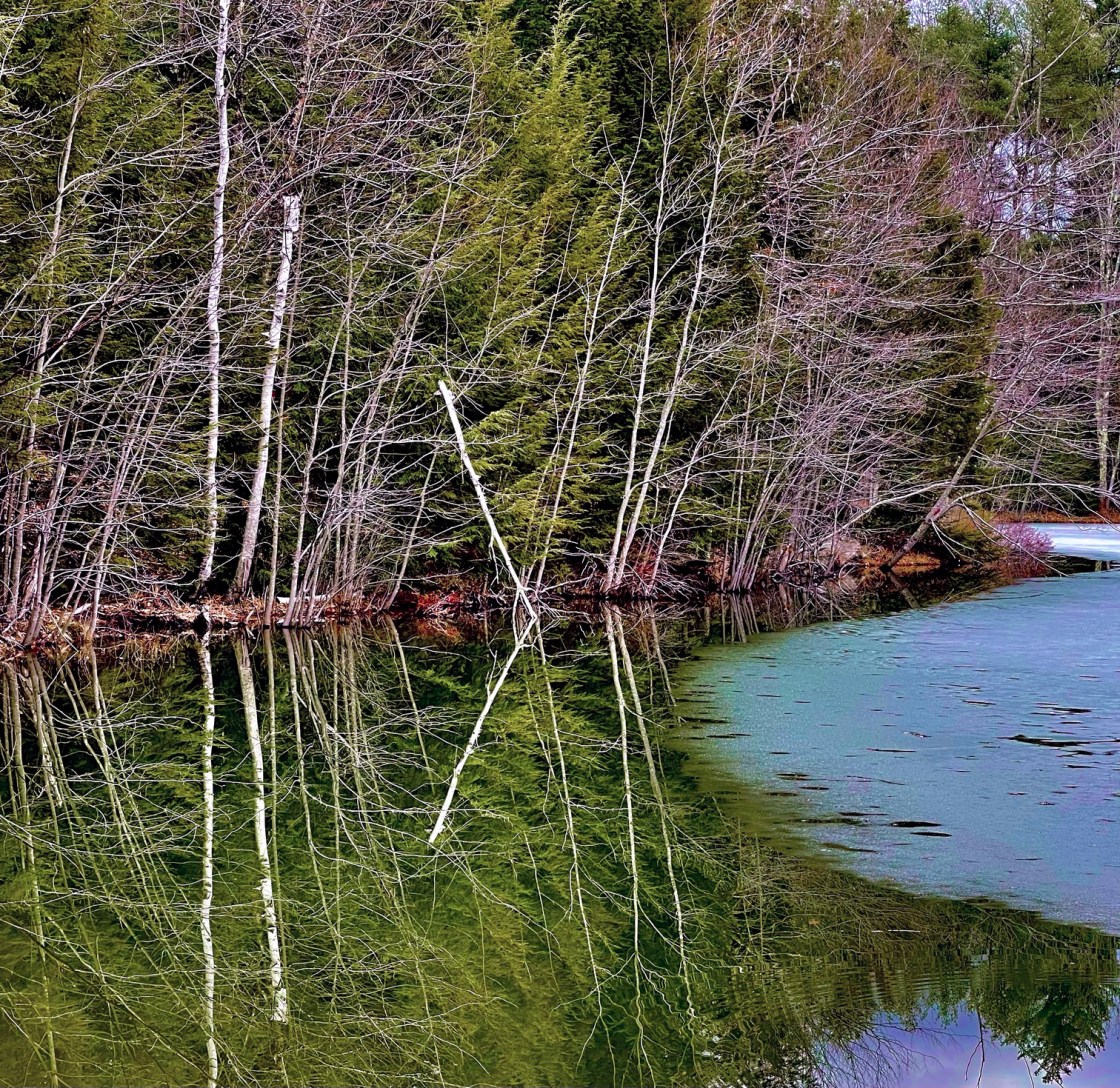
We managed our first hike this year to the No-name pond this past weekend. It was ninety percent ice covered.
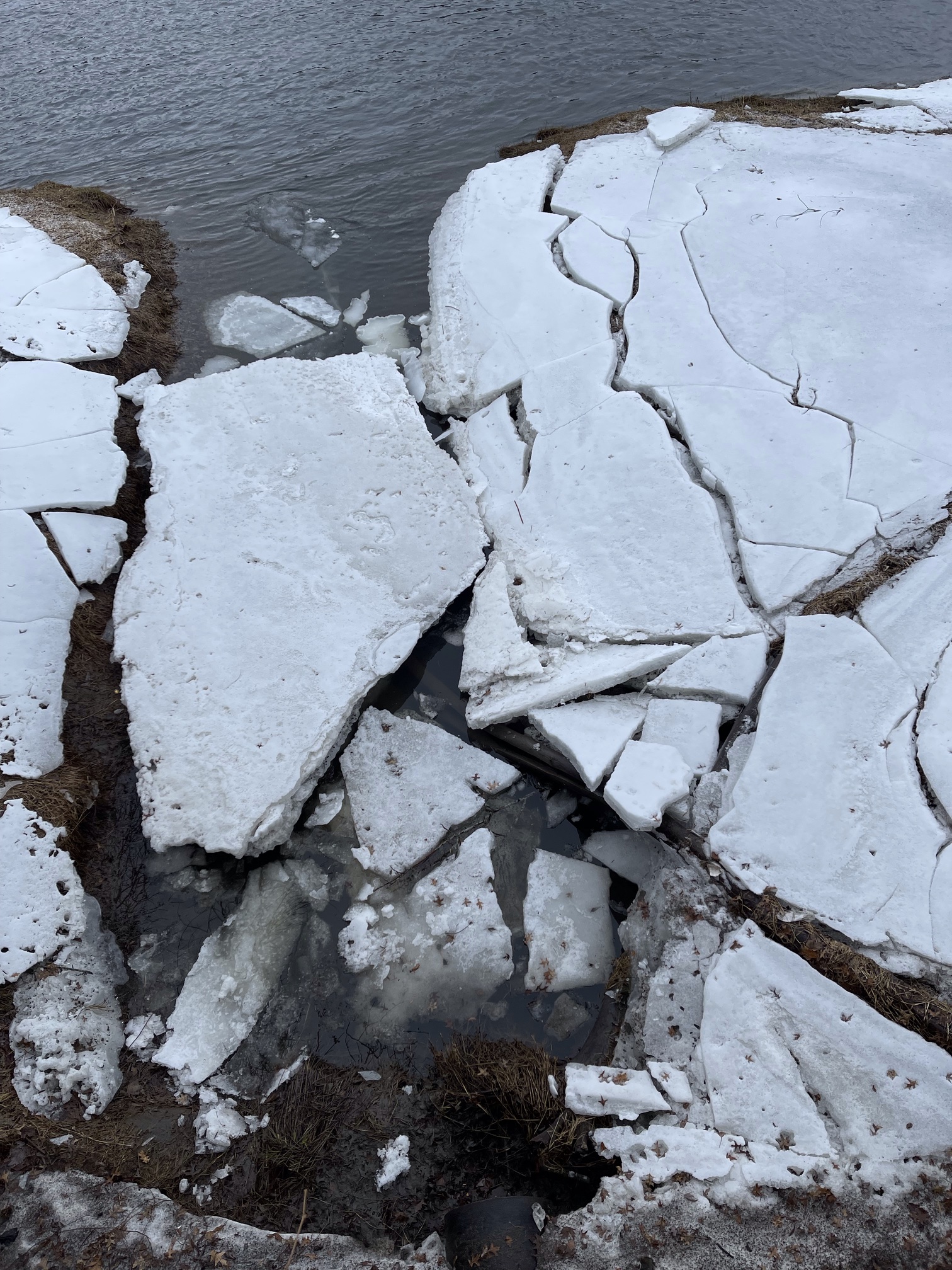
In mid-March, the ice on the Kennebec river began to break up. The end of the 2021-2022 winter lingers even after Spring arrives.

During a difficult hiking winter where ice and cold are typical features in the neighborhood, we managed to visit the pond yesterday for the first time in weeks. The snow-machiners have left a semi compacted trail so we managed our hike in cleated boots instead of snowshoes.
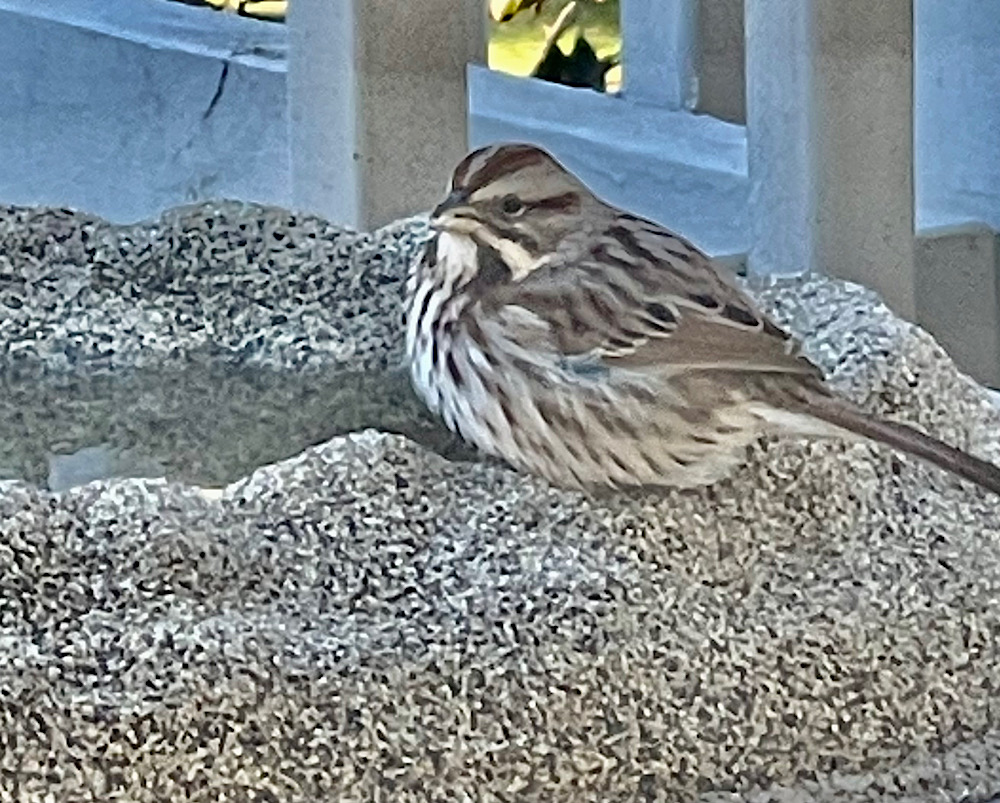
A lark sparrow (maybe?) sits at a bird bath on a winter day
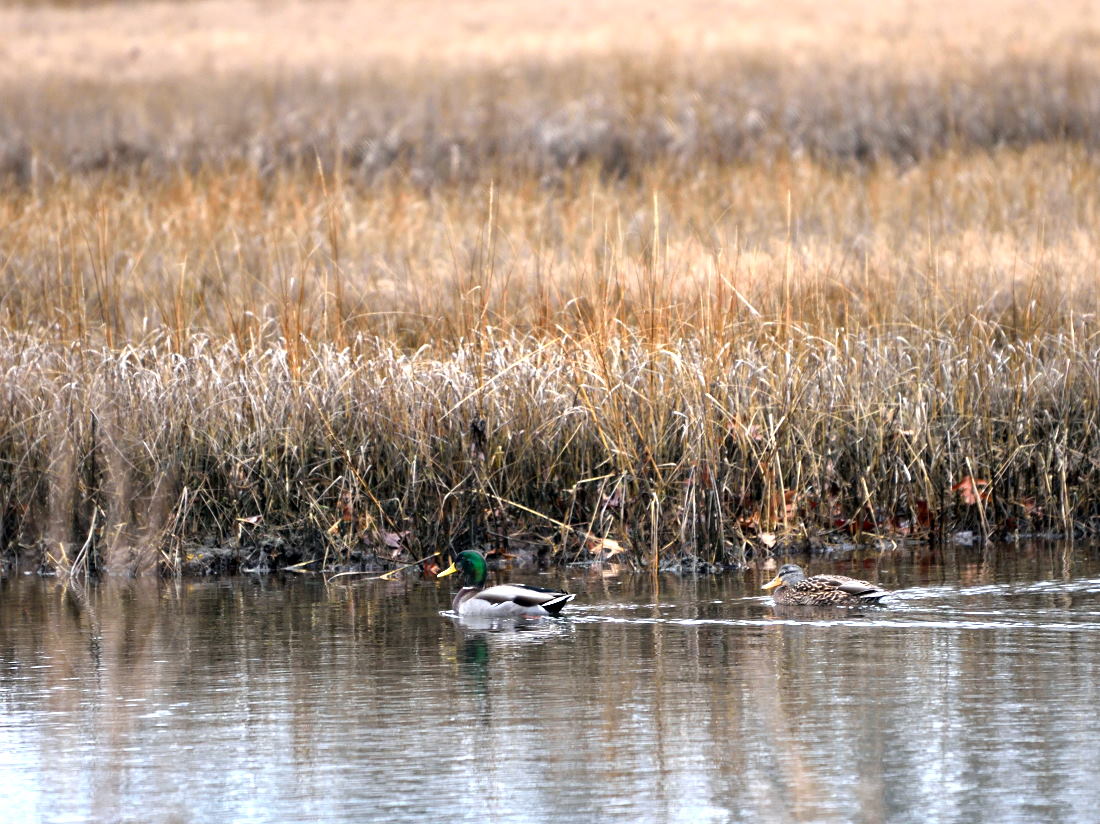
A pair of mallards cruise along a salt water along the southeastern Connecticut coast this week.
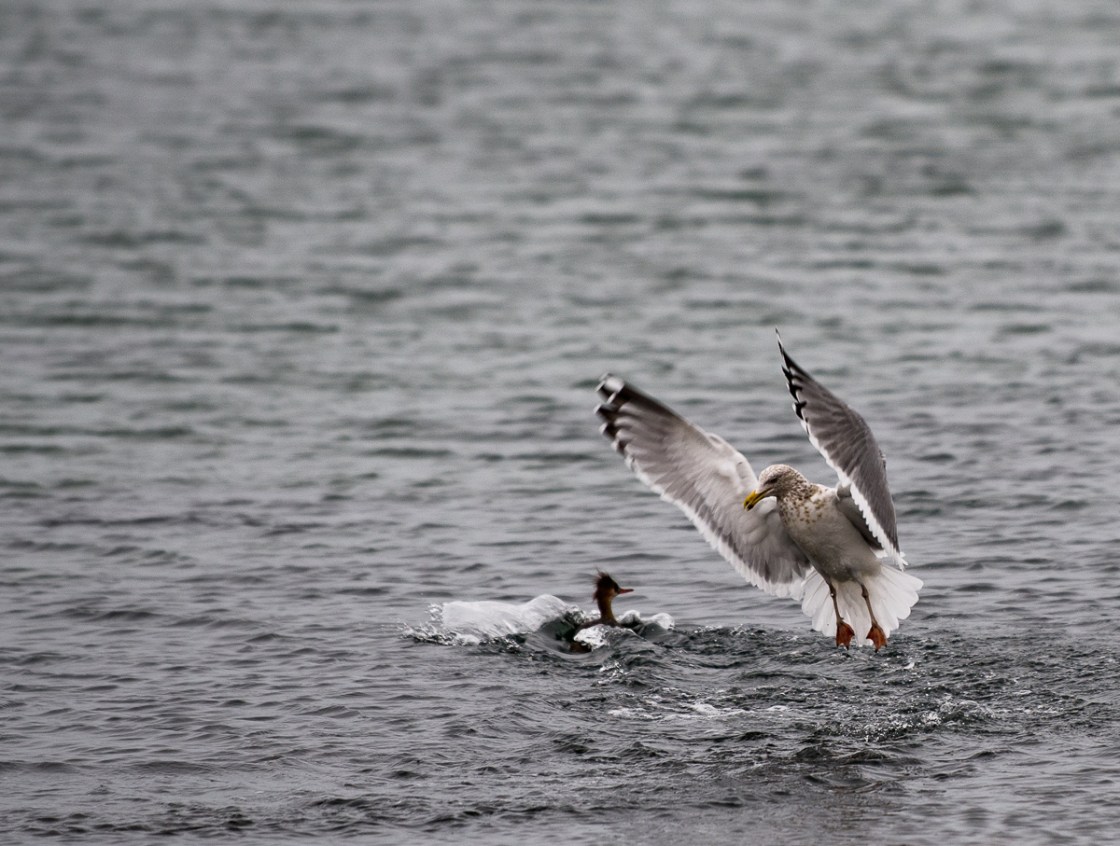
A gull gets excited while shadowing a red-breasted merganser off the southeastern Connecticut coastline. While the pair look like they are fighting, they actually were content to float around barely acknowledging each other.

A pair of mallards cruise along the Connecticut shoreline along Fishers Island Sound today. The extent of frozen-over fresh water ponds in the area is such that the birds are opting for the open water of the sea.
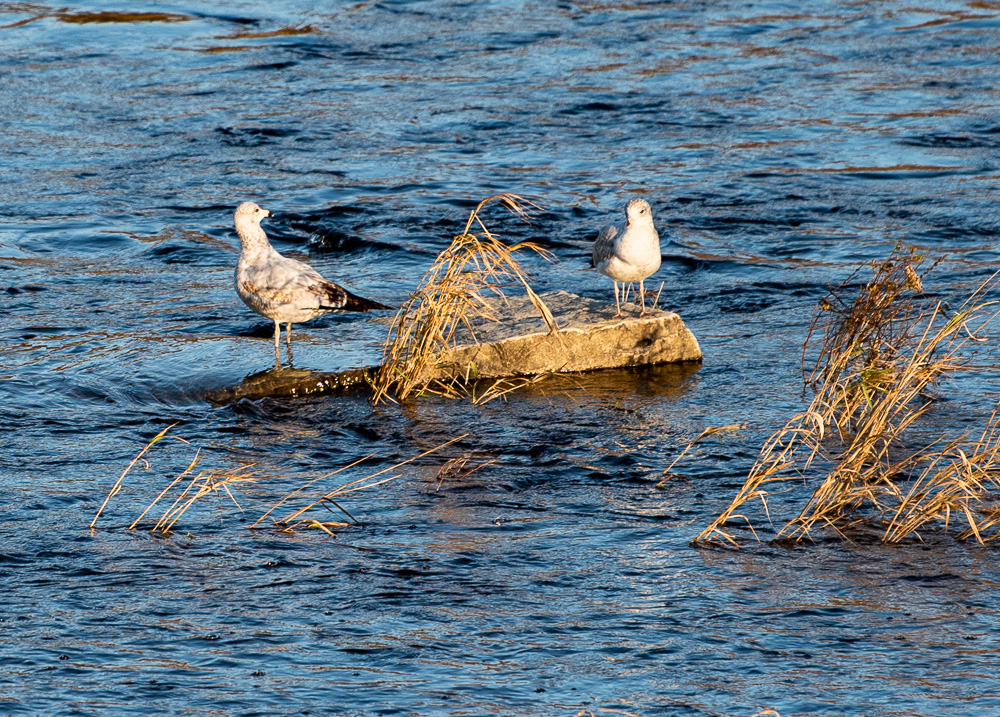
Another view of the typical afternoon in late summer along the Kennebec river in Augusta, Maine. The gulls hang around this inland waterway as if they were hanging around the ocean, which is twenty-to-thirty miles away. To make them feel at home, the river actually raises and falls from the tidal affects from the Gulf of Maine (the effect isn’t great and is negligible from this point north).
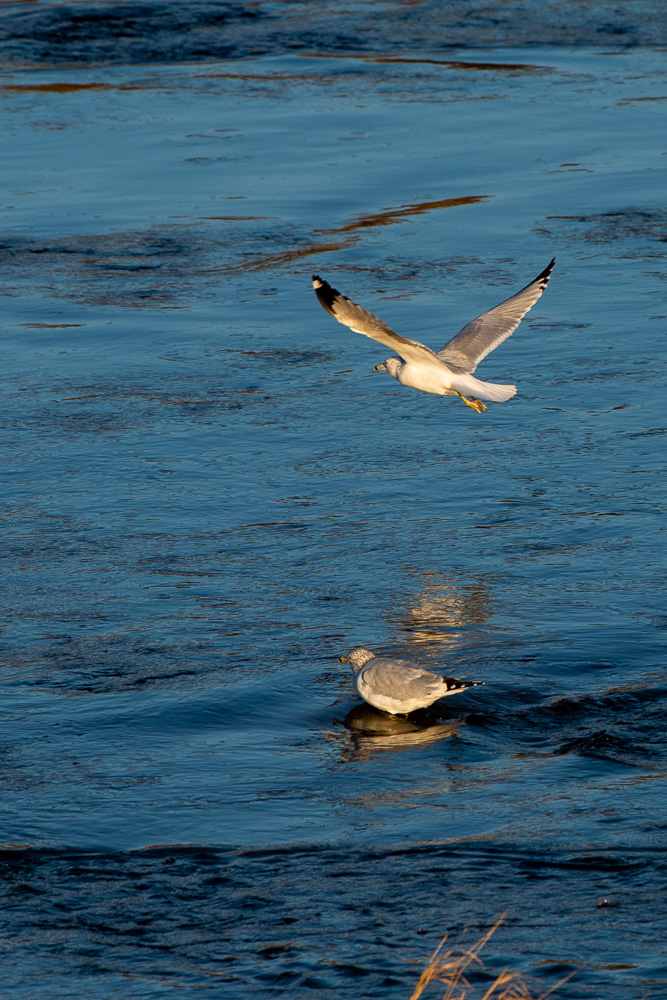
From a couple months ago during a walk along Mill Park on the Kennebec river in Augusta, Maine.

